
This is one of the most common questions patients ask, and the answer isn’t that one type of dentistry is “good” and the other is “bad.”
The biggest difference is usually the amount of time, flexibility and choice available for your care.
Under the NHS, dentists work within a national contract that determines which treatments are available and how practices are funded. NHS dentists provide essential care to keep your mouth healthy and functional, but appointment times and treatment options can be more limited.
Private dentistry gives practices more flexibility in how they deliver care. This can include:
- Longer appointment times, allowing more time for discussion, questions and treatment planning.
- Dedicated treatment coordinators (TCOs) who can guide patients through treatment options, costs and appointments.
- A wider range of treatment choices, particularly for cosmetic and elective procedures.
- Access to newer technologies, equipment and materials that may not be routinely available within NHS-funded care.
- Greater flexibility when planning complex treatments and follow-up care.
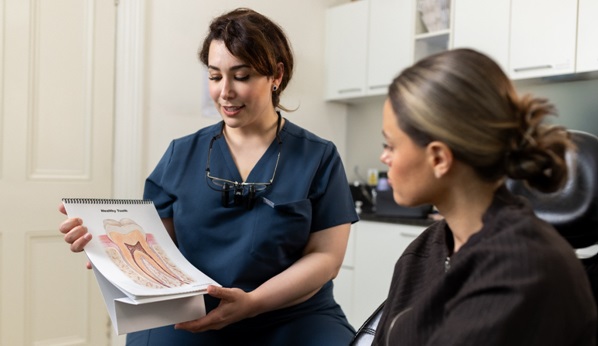
At our practice, many patients tell us they value having extra time to discuss their concerns and understand their options before making decisions about treatment. Our Treatment Coordinators are available to answer questions, explain costs and help patients feel confident about their choices.
It’s also important to remember that NHS dentists and private dentists are held to the same professional standards and regulations. The difference is not about the qualifications of the dentist – it’s about the time, resources and treatment options available within each system.
For some patients, NHS care is exactly the right choice. For others, the additional time, support and treatment options available through private care make it a worthwhile investment.
The best option is the one that fits your needs, priorities and budget.